A Homeowner’s Guide to Choosing a Durable, Attractive Fence That Can Handle Wisconsin’s Changing Seasons
Choosing a new fence is about more than finding a style that looks good around your home. Homeowners in Cudahy, Wisconsin, also need to consider how well their fence will hold up against freezing temperatures, heavy snowfall, moisture, and warm summer weather.
With Wisconsin's changing seasons, the right fencing material can make a significant difference in how long your investment lasts and how much maintenance it requires.
Wood, vinyl, and aluminum are three popular fencing options, and each has its own advantages. But which one is best suited for the Cudahy climate?
Let's compare these materials to help you make a confident decision for your property.
Understanding Cudahy's Weather Conditions
Cudahy experiences cold, snowy winters and warm, sometimes humid summers. Its location along Lake Michigan can also influence local temperatures and contribute to lake-effect snowfall.
These changing conditions can put considerable stress on outdoor fencing.
For example:
- Winter freezing: Repeated freezing and thawing can affect fence posts, soil stability, and hardware.
- Snow and moisture: Excess moisture can contribute to wood deterioration and damage poorly installed fence components.
- Summer humidity: Warm, humid conditions can encourage mildew and moisture-related problems.
- Temperature changes: Materials expand and contract as temperatures fluctuate.
This is why choosing a fence based on appearance alone may not be the best approach.
1. Wood Fencing: Classic Beauty With Regular Maintenance
Wood fencing remains a favorite among homeowners because of its natural appearance, privacy, and versatility.
Whether you prefer a traditional picket fence or a full-height privacy fence, wood offers plenty of design possibilities.
Advantages of Wood Fencing
- Natural appearance that complements many home styles.
- Excellent privacy when installed with solid panels.
- Can be stained or painted in different colors.
- Individual boards can often be replaced when damaged.
- Available in different wood types, including cedar and pressure-treated pine.
Potential Disadvantages
Wood requires more attention than vinyl or aluminum, particularly in Wisconsin's changing weather.
Rain, snow, and moisture can eventually cause wood to warp, crack, rot, or develop mildew if it is not properly protected. Regular cleaning, staining, and sealing help maintain its condition.
How to Make Wood Fencing Last Longer
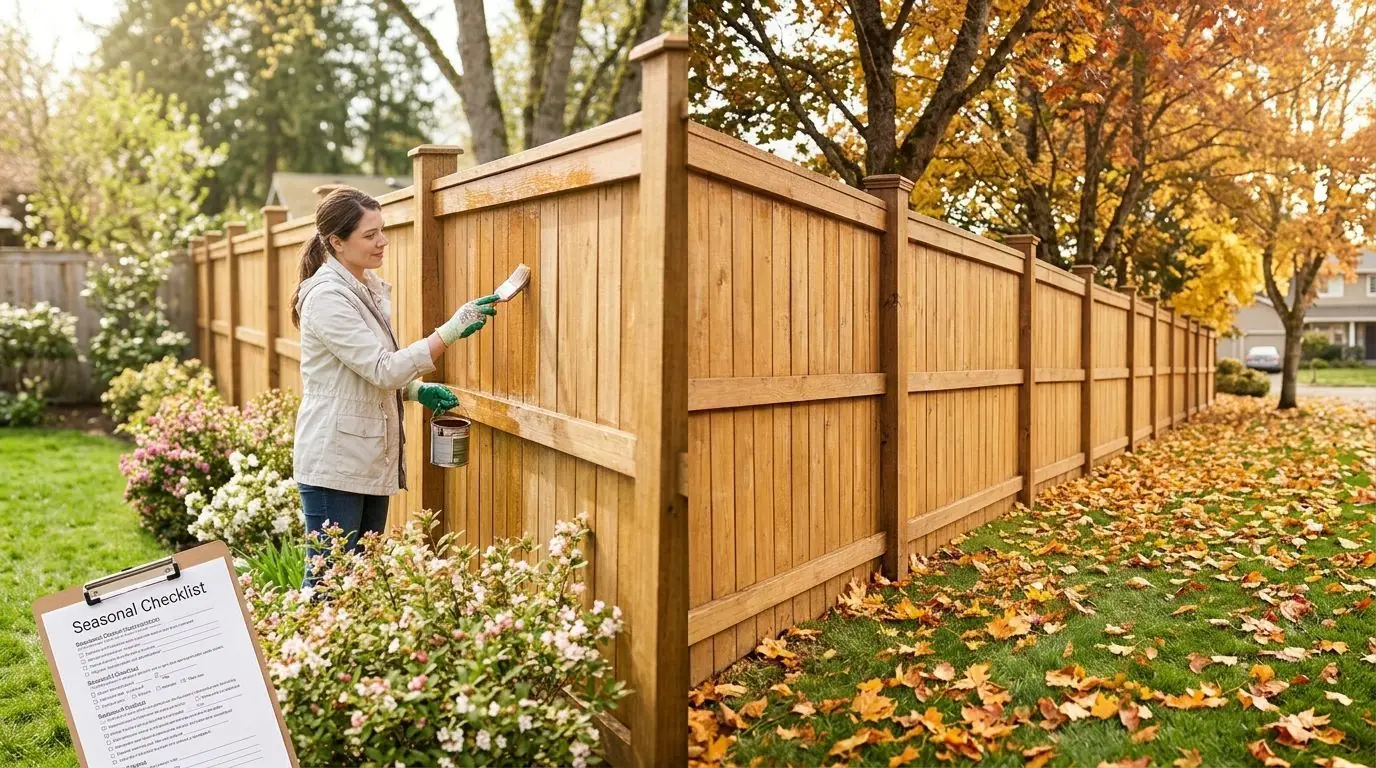
Homeowners should inspect their fences each spring and fall. Applying a quality exterior stain or sealant, keeping soil and vegetation away from the boards, and addressing damaged sections early can help extend the fence's lifespan.
Wood is a great choice if you appreciate traditional style and don't mind occasional maintenance.
2. Vinyl Fencing: Low Maintenance and Weather Resistant
Vinyl fencing has become increasingly popular because it offers a clean appearance without the regular staining or painting required by wood.
Made from durable PVC materials, vinyl fencing does not absorb moisture like untreated wood. This makes it an appealing option for homeowners who want a fence that is easier to maintain.
Advantages of Vinyl Fencing
- Resistant to moisture and rot.
- Does not require regular painting or staining.
- Easy to clean with soap and water.
- Available in different styles, including privacy and picket designs.
- Maintains a consistent appearance with relatively little upkeep.
Potential Disadvantages
Although vinyl is designed for outdoor use, it is not completely maintenance-free.
Lower-quality vinyl can become brittle in extremely cold conditions, especially when exposed to impact. Snow removal equipment, falling branches, or accidental impacts can also crack or damage panels.
Proper installation is important because vinyl fencing needs room to accommodate temperature-related expansion and contraction.
Is Vinyl a Good Choice for Cudahy Homes?
For homeowners who prefer low maintenance, vinyl is worth considering. A quality product designed for cold-weather conditions, combined with professional installation, can provide dependable performance through Wisconsin's seasonal changes.
3. Aluminum Fencing: Strength, Style, and Long-Term Performance
Aluminum fencing is another excellent option, especially for homeowners who want durability without sacrificing curb appeal.
Unlike wood, aluminum does not rot or attract termites. It is also naturally resistant to rust, particularly when protected with a quality powder-coated finish.
Advantages of Aluminum Fencing
- Naturally resistant to rust and corrosion.
- Requires very little maintenance.
- Lightweight yet durable.
- Available in elegant and modern designs.
- Does not need regular staining or painting.
- Works well around gardens, pools, and landscaped yards.
Potential Disadvantages
Aluminum fencing is not designed to provide complete privacy because most styles feature open pickets.
It can also be more expensive than some basic fencing options, depending on the design, height, finish, and installation requirements.
Although aluminum is durable, it can still bend or become damaged by significant physical impact.
Why Consider Aluminum in Wisconsin?
Aluminum performs well in changing weather because it does not suffer from wood rot or rust like untreated steel. Its protective finish also helps it maintain its appearance over time.
For homeowners who prioritize minimal upkeep and an attractive appearance, aluminum is a practical investment.
Wood vs. Vinyl vs. Aluminum: Which Should You Choose?
Each fencing material has something different to offer. The best choice depends on your priorities, property layout, budget, and desired appearance.
| Feature | Wood | Vinyl | Aluminum |
|---|---|---|---|
| Weather resistance | Moderate with maintenance | Very good with quality materials | Very good |
| Maintenance | High | Low | Low |
| Privacy | Excellent | Excellent | Limited |
| Natural appearance | Excellent | Good | Modern and decorative |
| Rot resistance | Varies by wood type and treatment | Excellent | Excellent |
| Rust resistance | Not applicable | Excellent | Excellent |
| Design flexibility | High | High | Moderate |
Our Recommendation:
For Cudahy homeowners, vinyl and aluminum are strong choices when low maintenance and weather resistance are priorities.
Vinyl is particularly attractive for homeowners who want backyard privacy, while aluminum works well for decorative boundaries, front yards, and landscaped spaces.
Wood remains a worthwhile option for those who prefer a traditional appearance and are comfortable with routine maintenance.
There is no single material that is perfect for every property. Choosing the right one means balancing appearance, functionality, maintenance, and long-term value.
Other Factors to Consider Before Installing a Fence
Before choosing your fencing material, consider a few additional details that can affect its performance.
1. Proper Post Installation
A durable fence starts with properly installed posts. In Wisconsin, contractors should consider frost depth, soil conditions, drainage, and local installation requirements to help prevent movement during freeze-thaw cycles.
2. Drainage Around the Fence
Water collecting around fence posts can contribute to premature deterioration and instability. Proper drainage helps protect the foundation of your fence.
3. Quality Materials and Hardware
Not all fencing products are manufactured to the same standards. Look for materials and hardware designed for outdoor exposure and seasonal temperature changes.
4. Local Fence Regulations
Before starting your project, review Cudahy's fence regulations. Requirements may cover fence height, placement, and other installation details. Checking these rules ahead of time can help prevent unnecessary delays.
Invest in a Fence That Fits Your Home and Lifestyle
A new fence should provide more than a boundary around your property. It should improve privacy, complement your landscaping, and provide dependable performance for years to come.
Whether you prefer the timeless appearance of wood, the convenience of vinyl, or the clean lines of aluminum, selecting the right material is an important first step.
The best fence is one that suits your property's needs while standing up to the demands of the local climate.
If you're considering a new fence or replacing an older one, working with an experienced local fencing professional can help you compare materials, explore design options, and plan an installation that fits your property.
Ready to upgrade your outdoor space? Explore your fencing options with Cudahy Fence and take the first step toward a fence that combines durability, functionality, and lasting curb appeal.