Corner lots offer extra outdoor space and street access, but choosing the right fence takes careful planning. Learn how to balance privacy, curb appeal, safety, and local requirements when selecting a fence for your Cudahy property
Owning a corner lot in Cudahy, WI, can give your property a more open feel and additional outdoor space. However, having two sides of your yard facing streets can make fencing decisions more complicated. You may want more privacy in your backyard while keeping the front of your property attractive and maintaining clear visibility near driveways and intersections.
The right fence should complement your home, define your outdoor space, and provide the privacy or security you need. Before choosing a style, consider how your property is positioned and how the fence will affect its appearance and functionality.
1. Understand Your Property's Layout
Corner lots have different fencing considerations than properties surrounded by neighboring yards. Depending on your home's position, a fence along the side yard may also face a public street.
Start by identifying the areas where you want privacy, a clear property boundary, or a safe space for children and pets. Consider how the fence will relate to your driveway, sidewalks, landscaping, and neighboring properties.
A property survey can help establish the proposed fence line. Planning the layout before selecting materials can also prevent unnecessary changes during installation.
2. Check Local Fence Requirements Before Installation
Before installing a fence in Cudahy, review the city's current permit requirements and applicable placement restrictions. The City of Cudahy's fence information identifies special considerations for corner lots and states that a plat of survey is required for fence permits. The property owner is responsible for proper fence placement.
These requirements matter because a fence that works well in a backyard may not be permitted in the same position near a street-facing yard. Confirm the rules that apply to your specific lot before finalizing your design.
It is also wise to check underground utility locations before digging post holes. Early preparation helps reduce delays and avoids preventable installation problems.
3. Choose a Fence Style That Fits Your Privacy Needs
The best fence style depends on which part of your property you want to enclose.
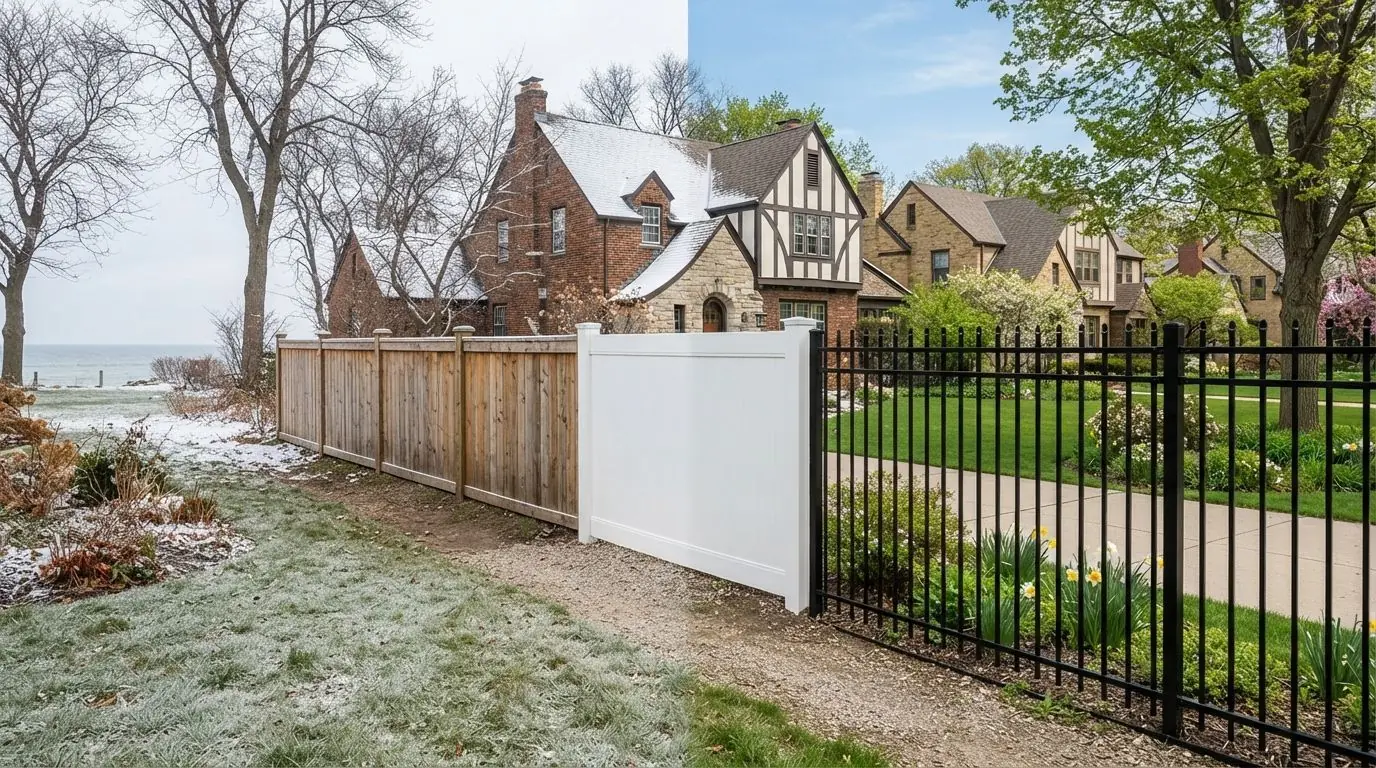
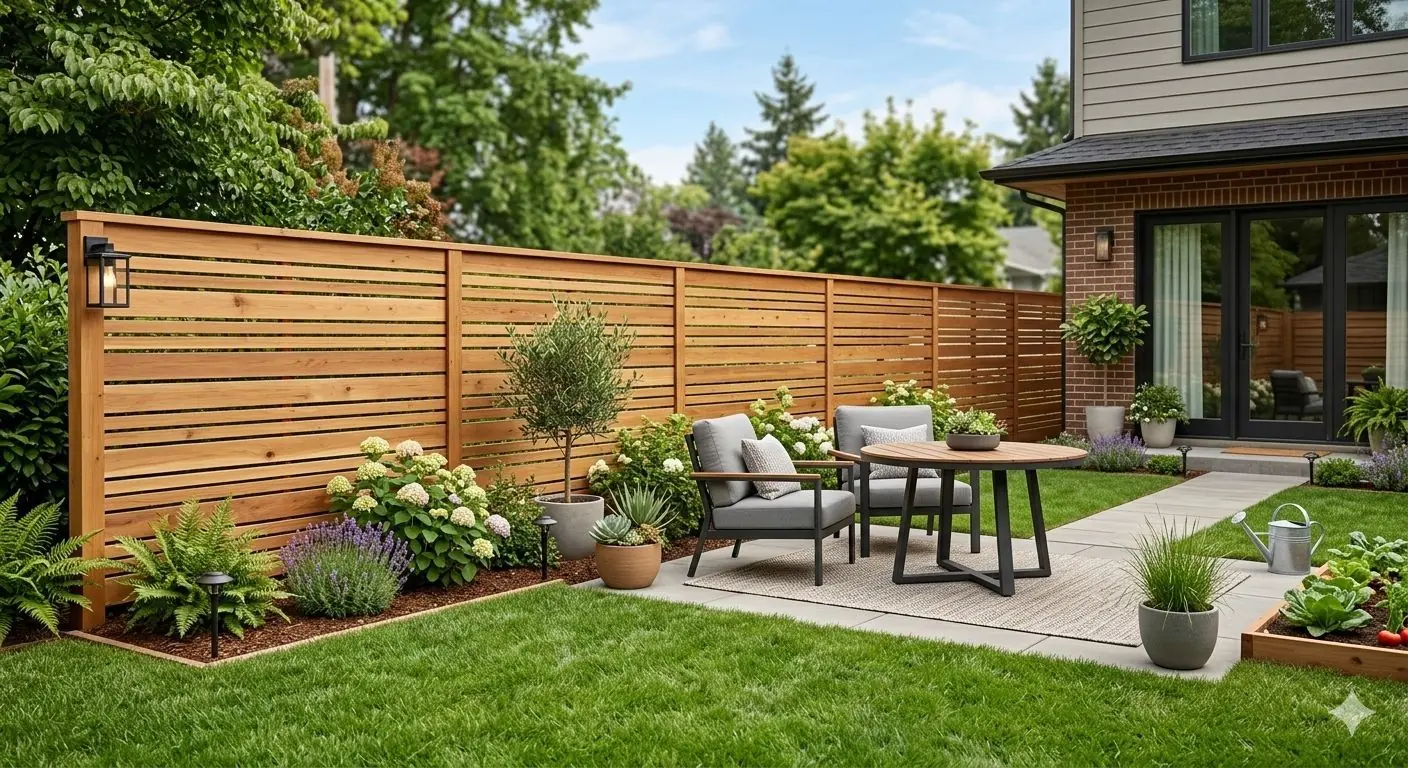
Wood privacy fencing: Wood is a popular option for creating a more secluded backyard. Its solid panels can help define outdoor living areas and provide a traditional appearance.
Vinyl fencing: Vinyl offers a clean, consistent look with relatively low routine maintenance. It comes in several styles, including privacy designs and more open configurations.
Aluminum fencing: Aluminum can provide a defined boundary while maintaining an open appearance. It may be a good fit for landscaped areas where you want to preserve visibility.
Chain-link fencing: Chain-link can be a practical choice for containing pets and marking boundaries. Privacy requirements and local restrictions should be considered before adding any screening.
You do not necessarily need the same fence style around the entire property. A combination of suitable materials or designs may better meet your needs, provided the overall layout complies with local requirements.
4. Maintain Visibility Near Streets and Driveways
Visibility is especially important on corner lots. A fence that blocks a driver's view near an intersection or driveway can create a safety concern.
Think carefully about fence height, solid panels, landscaping, and the location of gates. More open designs may be appropriate in areas where visibility matters, while taller privacy fencing may be better suited to an approved backyard location.
Do not assume that a decorative fence or a shorter design is automatically permitted in every street-facing area. Confirm the applicable requirements with the city before installation.
5. Consider Curb Appeal From Both Streets
A corner property is visible from multiple directions, so your fence can have a noticeable effect on your home's overall appearance.
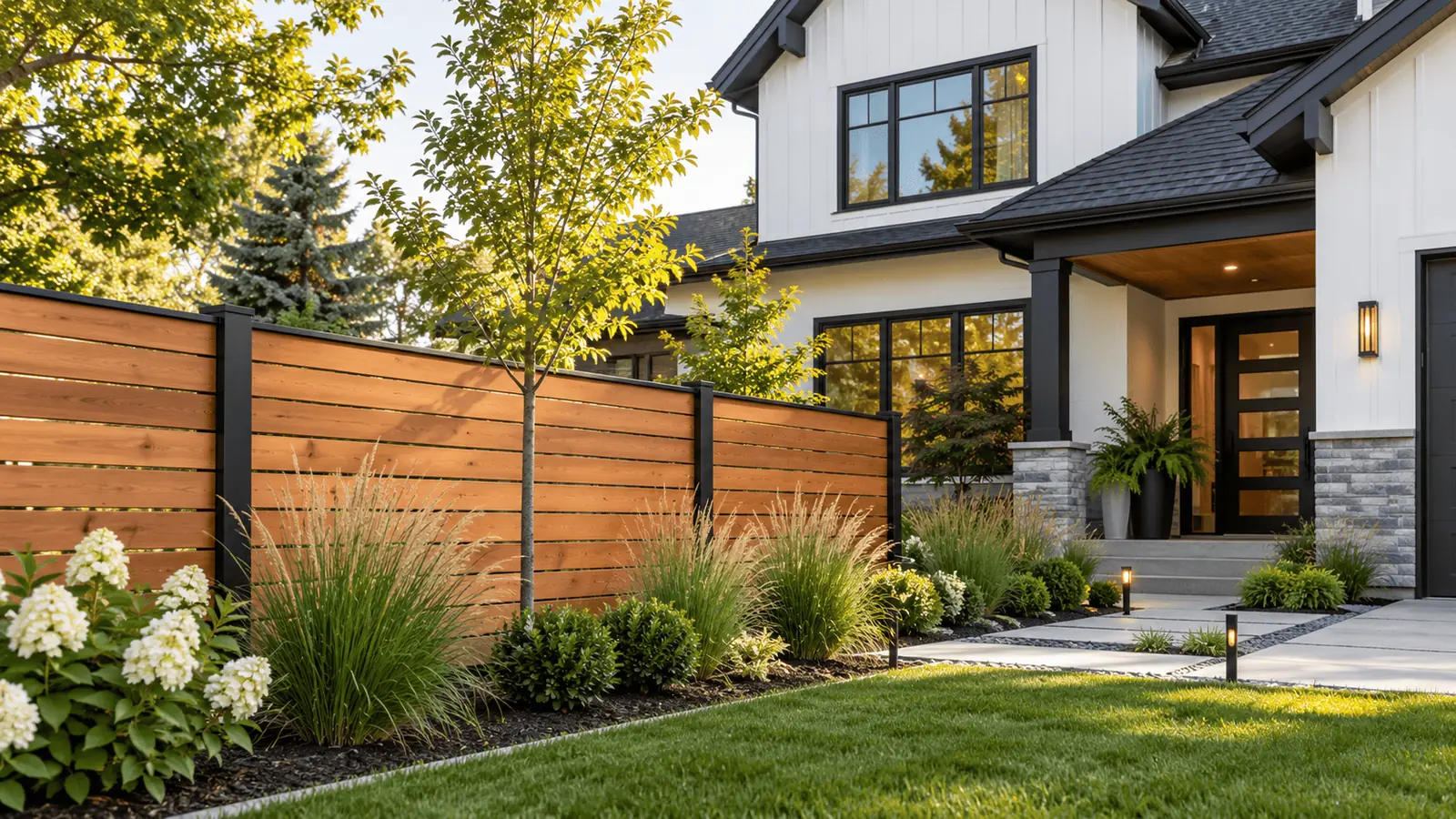
Choose a design that complements your siding, exterior trim, landscaping, and architectural style. Neutral vinyl, natural wood tones, and understated metal fencing can each create a different look depending on the home.
Also consider how the fence will appear from the public sidewalk and neighboring properties. A coordinated layout with well-planned gates and landscaping can make the yard feel organized rather than closed off.
6. Plan for Gates and Everyday Access
Gate placement is another important decision for corner-lot homeowners. You may need convenient access to a driveway, backyard, garden, or outdoor storage area.
Think about how often each gate will be used and whether there is enough room for it to open comfortably. Make sure the planned location does not interfere with sidewalks, vehicle access, or the safe movement of people around the property.
If you have pets, consider secure latches and openings that suit their size. Planning these details before installation helps make the finished fence more convenient for everyday use.
7. Balance Your Budget With Long-Term Maintenance
Fence costs depend on material, total length, height, gate design, site preparation, and installation conditions. Corner lots may require additional planning because of their street-facing boundaries and layout.
When comparing estimates, ask what is included in the price, such as materials, labor, removal of an existing fence, gate hardware, and cleanup. It is also worth considering the maintenance each material will require over time.
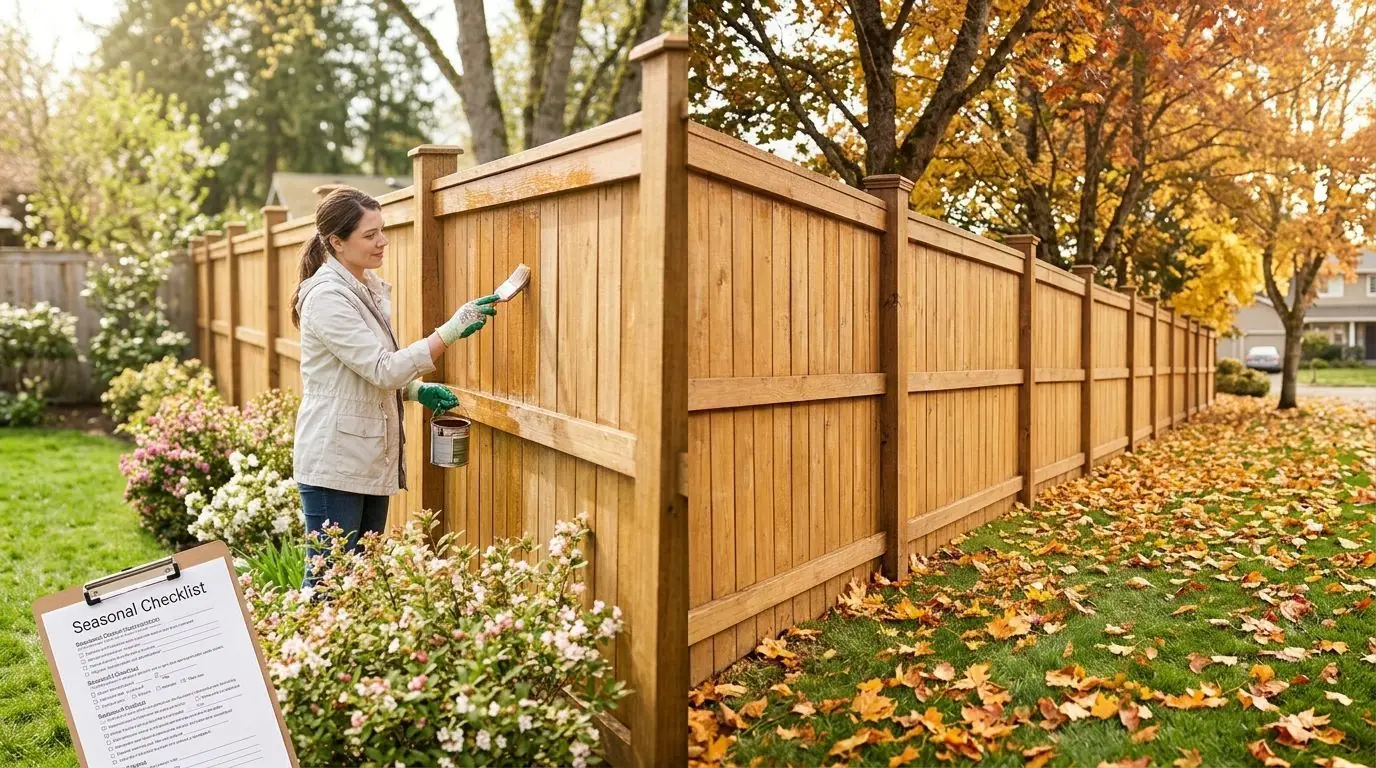
Wood may need periodic staining or sealing, while vinyl and aluminum generally require less routine upkeep. Choosing a fence based on both its initial cost and long-term needs can help you make a more practical investment.
Find the Right Fence for Your Cudahy Property
A corner lot does not have to limit your fencing options. With thoughtful planning, you can create a yard that offers privacy where you need it, preserves visibility near streets, and complements your home's exterior.
Before beginning your project, confirm local permit and placement requirements, establish your property boundaries, and choose a design that fits your outdoor space.
Cudahy Fence can help you explore fencing options for installation, replacement, repairs, privacy, and property boundaries. Reach out to discuss your project and request an estimate for a fence that suits your Cudahy home.